

Autistic spectrum disorder (ASD) is a complex neurological and developmental condition. Diagnosis in itself does not provide much information, as autism causes a spectrum of symptoms, which can range from mild to severe. Also, a person may have significant differences in one area, such as verbal communication, while their other abilities remain intact.
What do we mean by the term “nonverbal autism”?
We prefer to use the term “nonspeaking autism” instead of “nonverbal,” because many autistic people, who don’t use speech for communication, use words to communicate in their own way.
Also it is important how we talk about abilities and challenges. The term “nonverbal” does not fully represent an autistic person’s language capabilities. Although that term is usual in clinical contexts, autistic community representatives feel that it is stigmatizing and implies that people cannot receive or produce language.
Having nonspeaking autism does not mean that a person does not communicate, cannot communicate, or does not understand language. In most cases it just means that a person doesn’t rely on spoken language. Instead of that, he can find other ways to communicate.
However, nonspeaking autism in most cases is included in ASD level 3. We use levels to describe the severity of the condition. So, ASD level 3 means that a person needs very substantial support.
Nonspeaking autism in adults and children: differences
Symptoms of ASD in adulthood and childhood can be mostly the same. But nonspeaking autistic adults in most cases struggle with more problems because they have less access to support services.
Nonspeaking autistic adults may experience many challenges with social interactions, get fixated on routines, or experience sensitivities to light or sound. Many of them may find it difficult or even impossible to live independent, day-to-day lives.
Studies show that about 27% of autistic adults are unemployed. About 25% of autistic adults reported not getting enough support services. So, if symptoms of ASD include challenges with language, it becomes harder for an autistic person to get proper support, education, and a job by themselves.
Main signs and symptoms of nonspeaking autism
The main diagnostic criteria for autism specify that a person must have ongoing difficulties with social interaction in multiple contexts. If we are talking about nonspeaking autistic people, there is also a language barrier.
Most common symptoms:
- not speaking at all;
- using just a few words or not speaking in complete sentences;
- using sounds instead of words;
- not relying on spoken language as a primary form of communication.
Those symptoms can help us differentiate nonspeaking or minimally speaking autistic people from, for example, high-functioning autistic people. But in most cases severe deficits of verbal communication go with other severe symptoms included in ASD level 3.
| Symptom | Description |
| lack of social skills | Nonspeaking autistic people cannot communicate in a regular way. Also, they can have trouble with using gestures or understanding them. They often avoid eye contact and feel stressed in public; they have extremely inflexible behavior. |
| difficulties with emotional regulation | There is high emotional sensitivity and intensity. Even a little change can cause emotional and behavioral meltdowns. |
| restricted range of interests and behaviors | Changing focus from one thing to another can be extremely hard. |
| sensory hypersensitivity | Touching, bright lights, or loud sounds can feel unbearable. |
| restrictive and repetitive behaviors | With ASD at this level there is a huge need for routine and repetitive behaviors. |
Causes of the condition
We can’t surely say what causes autism and which factors might increase the chance of different symptoms.
However, some potential factors include:
- genetics;
- genetic and chromosomal disorders, such as tuberous sclerosis and fragile X syndrome;
- prenatal period (development during pregnancy);
- development during infancy.
No specific factor is likely responsible for language development in autistic people. Although about 25-30% of autistic people are nonspeaking or minimally speaking.
Diagnosis
Compared with high-functioning autism, most nonspeaking autistic adults were diagnosed when they were children. The difference between these two levels is significant, because a nonspeaking autistic person can hardly mask his symptoms and integrate into society.
However, there is always a chance to get the wrong diagnosis. Autism is regularly misdiagnosed as ADHD (attention-deficit/hyperactivity disorder), anxiety disorder, OCD (obsessive-compulsive disorder), etc.
When do you need to see a doctor?
As we said before, some nonspeaking autistic people have diagnosed ASD level 3. In this case they mostly need constant support, including regular visits to a doctor and other specialists. They can’t live independently and create their own routine.
Most common signs of needing help:
- anxiety or depression;
- continuing stress;
- need of changes in routine (every little change can be very challenging);
- emotional meltdowns.
This list can be endless; however, if you or loved ones struggle with severe symptoms or consequences of life challenges, you should call your primary care physician. If needed, you may be referred to other specialists, depending on the condition.
How to communicate with nonspeaking autistic people?
There are specific communication strategies, which can help to understand the needs of a person with severe levels of ASD and make communication comfortable for both sides.
Here are some helpful tools:
- sign language;
- written or typed communication;
- pictures;
- communication devices.
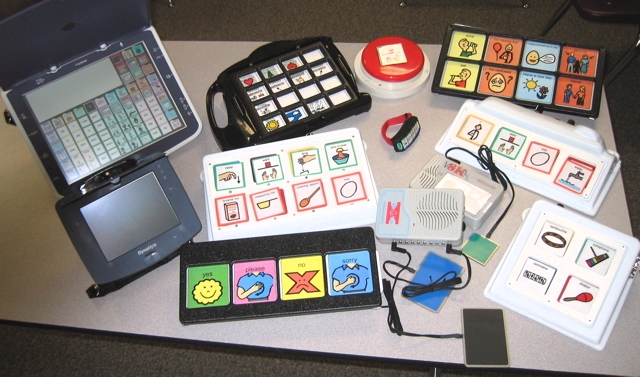
Special tools are very helpful because they don’t require verbal communication but make it easier to communicate in another way.
Also, it is important to know that autistic people can have their alternative language. An autistic person can use sounds in his own way. In this case you should try to learn more and communicate in a specific way.
Some caregivers might try to pressure an autistic person to communicate in a neurotypical (“normal”) way, but this strategy can be harmful; it can cause anxiety, stress, burnout, or depression. However, using alternative language that is comfortable for a particular person, you can reduce the possibility of those symptoms.
Support strategies
Main support strategies:
- psychotherapy;
- accommodations;
- medication.
With the right support and the acceptance of alternative ways of communication, many nonspeaking autistic adults can become exceptional communicators, with or without using verbal language.
Sources:
MedicalNewsToday
ASAN (Autistic Self Advocacy Network)
Verywellmind
Connect n Care
Autism speaks