
What does ‘underactive thyroid’ mean?
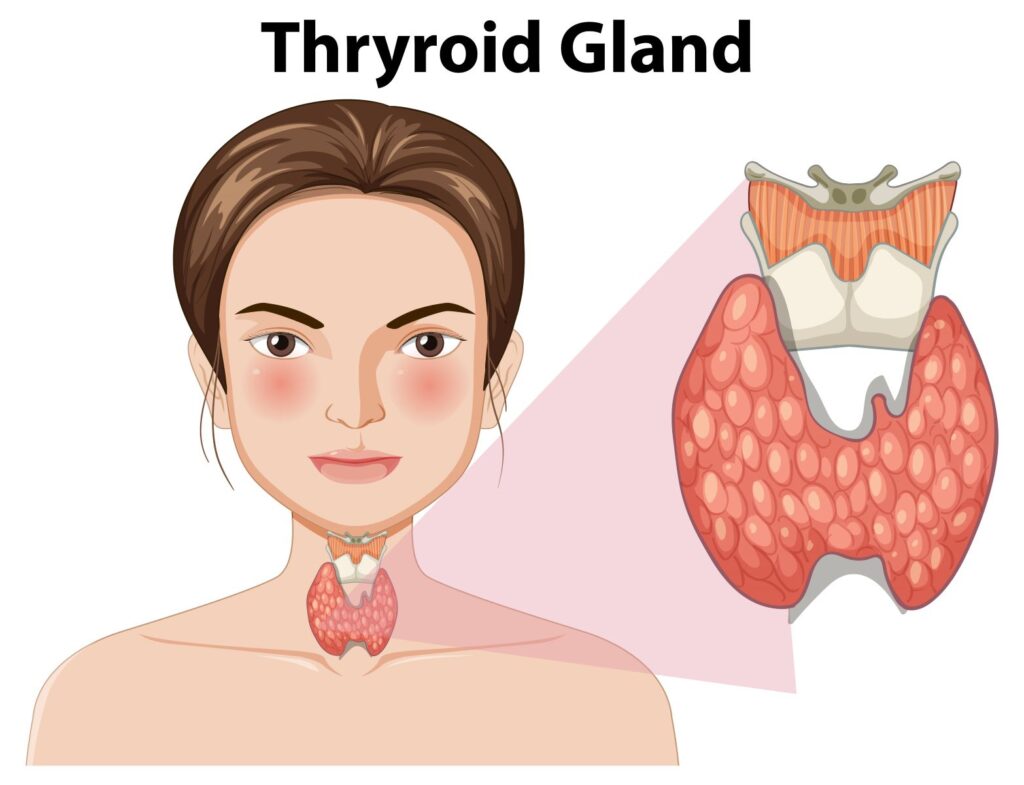
Hypothyroidism, or underactive thyroid, is when your thyroid doesn’t produce and release enough hormones. About the thyroid gland, thyroid hormones and their functions, you can read here.
How should I know that I have hypothyroidism?
Symptoms of underactive thyroid develop slowly, sometimes over years, and may not be obvious at early stages. You may unusually gain weight or feel tired all the time. Gradually, if left undiagnosed and untreated, other symptoms also develop. Here are some possible symptoms of hypothyroidism:
- fatigue and tiredness
- weight gain
- sensitivity to cold
- constipation
- hoarseness
- puffiness around the eyes
- dry and coarse skin and hair
- loose and thin hair
- muscle weakness, stiffness and aches
- numbness and tingling in your hands and feet
- problems with menstrual cycle and infertility
- slow heart rate (bradycardia) and irregular heart rate (arrhythmia)
- mood changes and depression
- memory problems
If you notice these symptoms, you should inform your healthcare provider.
Why does the thyroid start to produce fewer hormones?
Several conditions can lead to an underactive thyroid.
- Hashimoto’s disease is an autoimmune disorder that affects the thyroid gland. It’s the most common thyroid disease. The term ‘autoimmune’ means that our immune system makes antibodies against normal tissues and molecules. These antibodies make the thyroid inflamed and produce fewer hormones.
- Thyroiditis, e.g., viral
- Thyroid tumours
- Radiation therapy
- Thyroid surgery
- Medications, e.g., lithium and amiodarone
- Problems present at birth
- Iodine deficiency
- Pituitary disorders
- Pregnancy
Who can develop hypothyroidism?
Anyone can develop hypothyroidism, but certain factors increase the risk.
- female sex
- having a family history of thyroid disease
- having an autoimmune disease, e.g., type 1 diabetes and celiac disease
- receiving treatment for hyperthyroidism (overactive thyroid)
- having a previous history of radiation therapy to your neck and chest
- having a thyroid surgery
- pregnancy
Could children get hypothyroidism?
Infants and children also can get hypothyroidism. In infants, underactive thyroid leads to serious physical and mental development defects. Infants with underactive thyroid could have:
- poor feeding
- poor weight gain and growth
- yellowing of the skin and whites of the eyes (jaundice)
- constipation
- weak muscles
- dry skin
- hoarse crying
- enlarged tongue
- bulge near the belly button (umbilical hernia)
Symptoms of underactive thyroid in older children are almost similar to adults. Additional symptoms are:
- poor growth and short stature
- delayed dental development
- delayed puberty
- poor mental development
When should I see my healthcare professional?
See your healthcare professional if you are feeling unexpectedly tired or have other symptoms of an underactive thyroid.
How is hypothyroidism diagnosed?
Considering that symptoms are not specific, diagnosis of hypothyroidism is based on the results of blood tests. The first test is measuring thyroid-stimulating hormone (TSH) in your blood. If TSH is high, thyroid hormones (T4 and T3) are tested. One scenario is high TSH and normal thyroid hormones. This is called subclinical hypothyroidism or mild hypothyroidism. The latter means that although you have no definite symptoms, you are at increased risk of getting hypothyroidism. The second scenario is high TSH and low T3 and T4. These results confirm the diagnosis of hypothyroidism.
Your healthcare professional may also order thyroid imaging tests, e.g., ultrasound or computed tomography (CT) scan.
Who treats hypothyroidism?
First, you should see your primary healthcare provider. Sometimes you may be referred to a specialised physician in hormone disorders called an endocrinologist. Infants should be checked by a paediatric endocrinologist.
How is hypothyroidism treated?
Healthcare provider usually prescribes the medication levothyroxine that replaces thyroid hormones. You should take this pill daily, on an empty stomach in the morning. You may feel better after about 1-2 weeks of treatment. However, treatment of hypothyroidism is lifelong. Your provider will check you regularly and order a TSH test for treatment modifications and monitoring.
What happens if hypothyroidism isn’t treated?
Hypothyroidism can lead to severe and life-threatening complications, e.g.,
- heart problems (coronary artery disease and heart failure)
- myxedema coma
- pregnancy problems (high blood pressure, miscarriage or premature birth)
- birth defects of newborn babies
Can hypothyroidism be prevented?
You can prevent hypothyroidism only if it is caused by iodine deficiency. You should include in your diet foods that contain iodine (certain fish, shrimp, dairy products, iodized salt). On the contrary, hypothyroidism with other causes (e.g., Hashimoto’s disease) is not preventable. There are no specific diets or supplements for this purpose. The only way to reduce the risk of complications is early diagnosis and treatment.
Sources:
Mayo Clinic
Cleveland Clinic
UpToDate
Medscape