
What is depression?
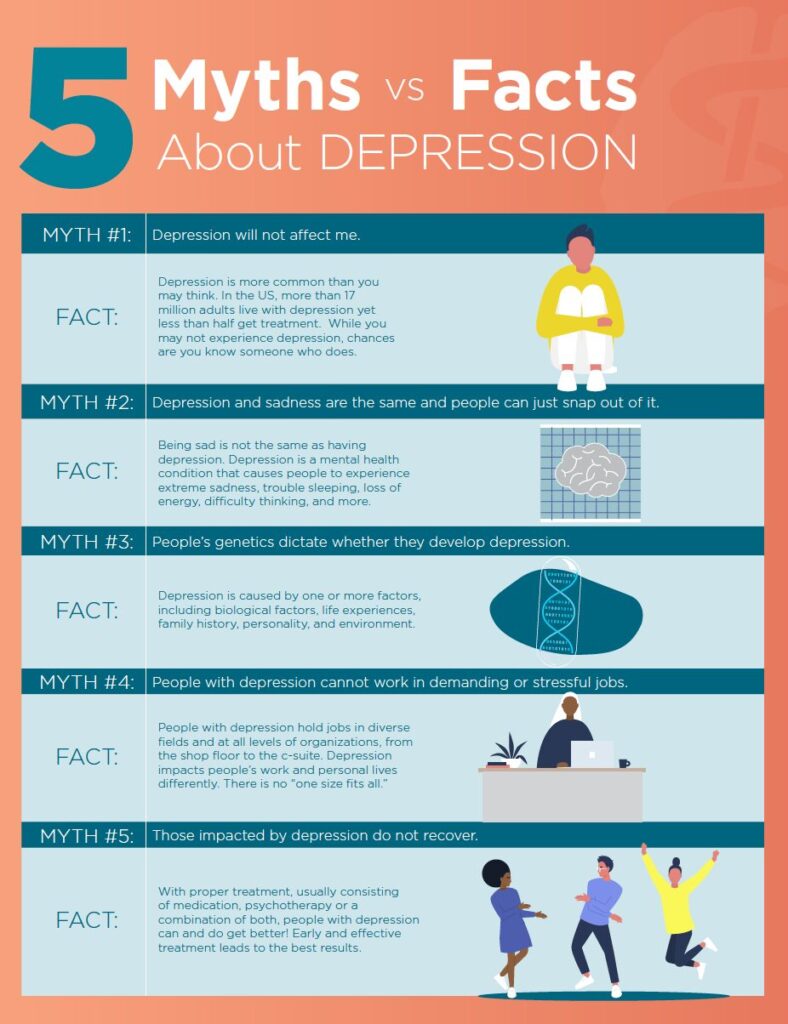
Depression is a common mental disorder. We can define it as a mood disorder that affects mostly all aspects of a person’s life. According to the World Health Organization, depression is in the first 5 causes of disability on this planet. An estimated 4% of the population experience depression.
There is a huge difference between depression and the feeling of being depressed. We usually use this term to indicate long-lasting sadness, but in clinical meaning it is much larger. Almost everyone feels down from time to time, depending on different situations in life, but not everyone has depression in its clinical meaning.
How to recognize depression?
Symptoms of depression can vary from mild to severe and can appear differently in each person.Most common symptoms of depression:
- long-lasting sadness;
- inability to reach pleasure;
- loss of interest in activities that used to be enjoyed;
- sleeping issues;
- decreased energy, increased tiredness, or fatigue;
- a significant change in appetite and/or weight;
- difficulties with thinking and concentrating;
- feeling guilty and worthless;
- suicidal thoughts or attempts.
Can depression cause physical symptoms?
Depression can induce physical changes within your body that disrupt its normal functions, like higher levels of inflammation and stress hormones and changes in heart rate, circulation, and metabolism. These changes can set the stage for other conditions, for example, gastrointestinal problems, psychomotor activity changes, headaches, physical weakness, etc.
What causes depression?
The exact cause of depression isn’t revealed, but there are several factors that can contribute to this condition:
- genetics;
- medical conditions (arthritis, multiple sclerosis, cancer, etc.);
- brain chemistry (differences in certain chemicals in the brain, such as the neurotransmitters serotonin, dopamine, and norepinephrine).
Who can have depression?
Depression can happen to anyone, but women are more likely to have depression than men. Also, there are several factors that can increase the probability of depression:
- traumatic or stressful events (sexual or physical abuse, death or loss of loved one, financial problems, etc.);
- using alcohol or recreational drugs;
- serious or chronic illnesses;
- certain personality traits, such as low self-esteem, self-criticism, pessimism, etc.;
- being a part of sexual, religious, or other minorities in an unsupportive situation;
- certain medications, for example, sleeping pills or medications for high blood pressure.
Is depression a genetic condition?
As stated above, genetics is one of the causes of depression but not the only one. Having blood relatives with a history of depression, schizophrenia, bipolar disorder, alcoholism, or suicide can set the stage for depression.
How is depression diagnosed?
Depression can be diagnosed based on symptoms, medical history, and mental health history of the person, including family history. Healthcare providers can diagnose you with a specific type of depression, such as major depression, seasonal affective disorder, or postpartum depression, depending on the context of your symptoms.
To get a diagnosis, you must have at least 5 symptoms of depression that are constantly with you in a two-week period or longer. Also, your medical provider may order medical tests to see if any underlying medical conditions are causing your symptoms.
When to see a healthcare professional?
If you or loved ones struggle with symptoms of depression, you should contact your primary care physician. It is very important to seek help as soon as symptoms become noticeable.
Is depression treatable?
Depression is treatable. It is even one of the most treatable mental health conditions. Almost 90% of people with depression who seek treatment eventually respond well to it and recover. The main problem is that people with depression rarely seek help by themselves. Treatment of depression mostly includes teamwork. Main options:
- medications;
- psychotherapy;
- complementary medicine (for those who have mild symptoms);
- brain simulation therapy.
Right support: What should you do if you notice signs of depression in a person?
Depression is a hard condition, which can’t be solved just by will. You shouldn’t tell a person with depression something like these:
- “Pull yourself together.”
- “Your situation isn’t so bad.”
- “You just need more discipline. Maybe you should work harder.”
- “Poor kids in Africa struggle with a lack of water, and compared to them you don’t have problems at all.”
These phrases won’t help but can make everything worse. They can increase shame and the feeling of guilt. Instead of that, you should make the person believe that his or her condition can be treated and there is nothing to be ashamed of. With the right support, the recovery process can be easier. If you notice signs of depression in a person, you should try to convince him to see a doctor or mental health specialist.
Also, it is important to know about the risk of suicide. Don’t be afraid of asking. Studies show that asking about suicidal thoughts can decrease the probability of real attempts.
Can I prevent depression?
Effective community approaches to prevent depression include school-based programs to enhance a pattern of positive coping in children and adolescents.
For adults, self-care and the ability to deal with emotions are also a huge step. To decrease the possibility of depression, you should try to create a healthy lifestyle, including healthy meals, good sleep, physical activities, and psychological wealth.
In general, open conversations about depression help erode stigma and make it easier for people to ask for help. It is important to know that a person with depression isn’t lazy or weak. He can’t choose his condition or just stop feeling how he feels. With the right support from relatives, friends, and society, people can get help on time or even avoid the appearance of this condition.
Sources:
World Health Organization
American Psychiatric Association
Mayo Clinic
WebMD