

Electronic cigarettes (e-cigs, vapes) are special battery-operated devices for smoking that vaporize and release a sweetened liquid containing nicotine as a substitute for burning tobacco.
E-cigarettes can come in a range of shapes. They can look like regular cigarettes, pens, USB drives, etc. Also, these smoking devices can have a huge variety of flavors and ingredients. Manufacturers market e-cigarettes as tools for quitting or cutting down on smoking. However, the Food and Drug Administration (FDA) classifies them as tobacco products.
What is vaping?
The process of using electronic cigarettes, vape pens, or mods is called vaping. It’s similar to smoking a cigarette, but vaping heats tiny particles out of a liquid rather than burning tobacco.
Despite the name, vaping doesn’t make water vapor. It actually creates an aerosol (or mist) that contains small particles of nicotine, metal, and other harmful substances.
Is there a chance to get addicted to vaping?
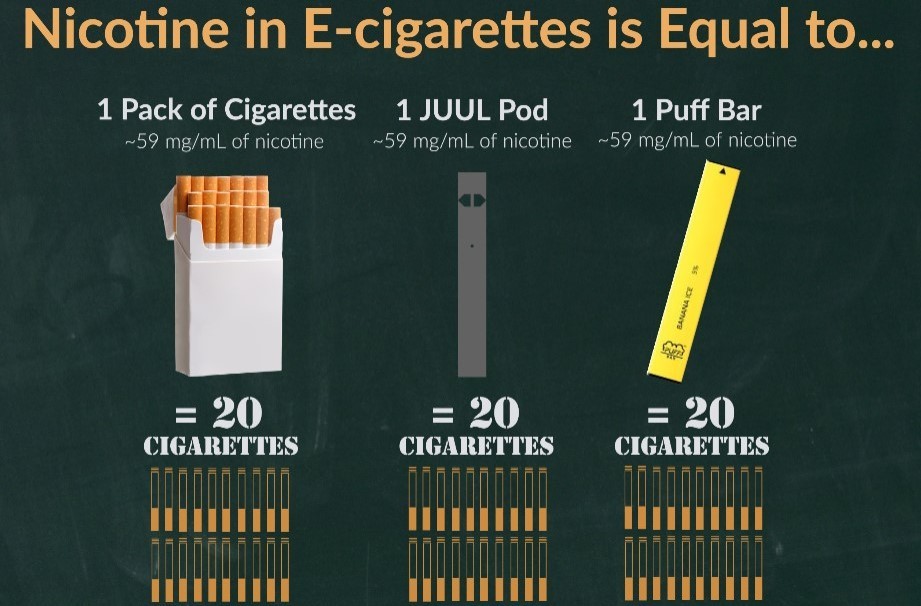
Most electronic cigarettes contain nicotine, which is a main ingredient causing addiction in ordinary cigarettes. So, e-cigs also can cause addiction.
Main symptoms of addiction:
- Using e-cigarettes as an effective way to relax;
- Impossibility of stopping permanent use;
- Withdrawal symptoms after stopping (changes in mood and behavior: anxiety, anger, irritability, insomnia, etc.);
- Trying to create an environment where electronic cigarettes are appropriate, or avoiding situations and activities that can prevent using e-cigarettes.
These symptoms are quite similar to tobacco abuse symptoms.
Adolescents can start showing signs of nicotine addiction quickly, sometimes before the start of regular or daily use. Also, using nicotine at this age can increase the risk for addiction to the drugs in the future.
Besides addiction, nicotine can cause a lot of extra damage to a person’s organism. It raises the blood pressure and spikes the adrenaline, which increases the heart rate and the probability of having a heart attack.
The consumption of nicotine has a huge influence on children and adolescents. It can cause learning and anxiety disorders and disturb normal brain development in general. Nicotine exposure in pregnant women can have similar consequences for the brain development of the fetus.
So, nicotine is quite dangerous. And it is a main component of almost all e-cigarettes.
Are electronic cigarettes harmless?
Electronic cigarettes are still cigarettes, and they can cause a lot of damage to a person and also his environment (they also cause secondhand smoke).
What are e-cigarettes really about?
Unfortunately, electronic cigarettes are aggressively advertised as harmless. Advertising, a huge variety of flavors (from “traditional” and menthol to watermelon), and a lack of sticky smell make them attractive to adolescents and young people.
To understand all the harm caused by electronic cigarettes, you should know what they include:
| Ingredient | Main health hazards |
| Tobacco (in liquid) | *Addiction; *Cardiovascular diseases, type-2 diabetes, and tumor growth; *Negative influence on fetal lung development; *Other toxic effects; |
| Propylene glycol | Respiratory tract irritation |
| Glycerin | The effect of long-term inhalation is unknown. |
| Cinnamaldehyde | Toxic influence on cells (in laboratory conditions) |
| Diacetyl | Obliterative bronchiolitis (a chronic, irreversible lung disease where the small airways of the lungs (bronchioles) are damaged and permanently narrowed. This condition causes progressive shortness of breath, coughing, and decreased lung function.) |
| Benzaldehyde | Respiratory tract irritation |
| Acrolein | Poisonous, irritant |
| Formaldehyde | Carcinogenic (causes cancer) |
| Acetaldehyde | Possibly carcinogenic |
| Chromium | Carcinogenic |
| Nickel | Carcinogenic |
| Lead | Poisonous, possibly causes cancer |
| Fine and fine particles | *Respiratory problems; *Reduced lung function; *Premature death. |
This is not even the full list of ingredients that can cause a lot of damage to people. There is no clear evidence about the long-term consequences of using e-cigarettes, but after more studies it will be possible to reveal them. Scientists are still determining how harmful electronic cigarettes can be. However, what we already know is enough to mark electronic cigarettes as dangerous products that need to be controlled.
Can I use e-cigarettes to quit smoking?
Although for some people this strategy can work, we don’t recommend changing from one type of smoking to another. No approved treatment strategy includes using electronic cigarettes to quit smoking.
People who switch from traditional cigarettes to e-products may put off getting medical help or trying proven tools that can help with quitting. This can delay or even prevent a person from quitting smoking.
When to see a healthcare professional?
If you become addicted to smoking (no matter if we talk about ordinary cigarettes or e-cigarettes), you should see your primary care physician to figure out the right way of treating your addiction.
There are different ways of treatment, including medications, nicotine replacement therapy, and behavioral correction. Treatment should be chosen depending on the individual features of the person and his particular case.
Also, your doctor may provide some tests to reveal the damage already caused by using ordinary or electronic cigarettes.
Prevention
One of the best ways of prevention is governmental prevention strategies, like restrictions of advertising, using closed shelves for all tobacco products (not only regular cigarettes and tobacco) in shops, controlling the use of e-cigarettes in public, etc.
Also, just like it is with regular cigarettes, you can help children and young people avoid vaping by showing them an example of not smoking.
Sources:
Cleveland Clinic
U.S. Centers for disease control and prevention
MedicalNewsToda
World Health Organization
National Library of Medicine