

What is the urinary tract?
The urinary tract, also referred to as the urinary system, comprises the kidneys, ureters, bladder, and urethra.
- Kidneys are two bean-shaped organs located on each side of your spine below the ribcage.
- The bladder is a balloon-shaped organ in your pelvis.
- Ureters are two tubes that connect each kidney to your bladder.
- The urethra is a thin tube located at the bottom of your bladder.
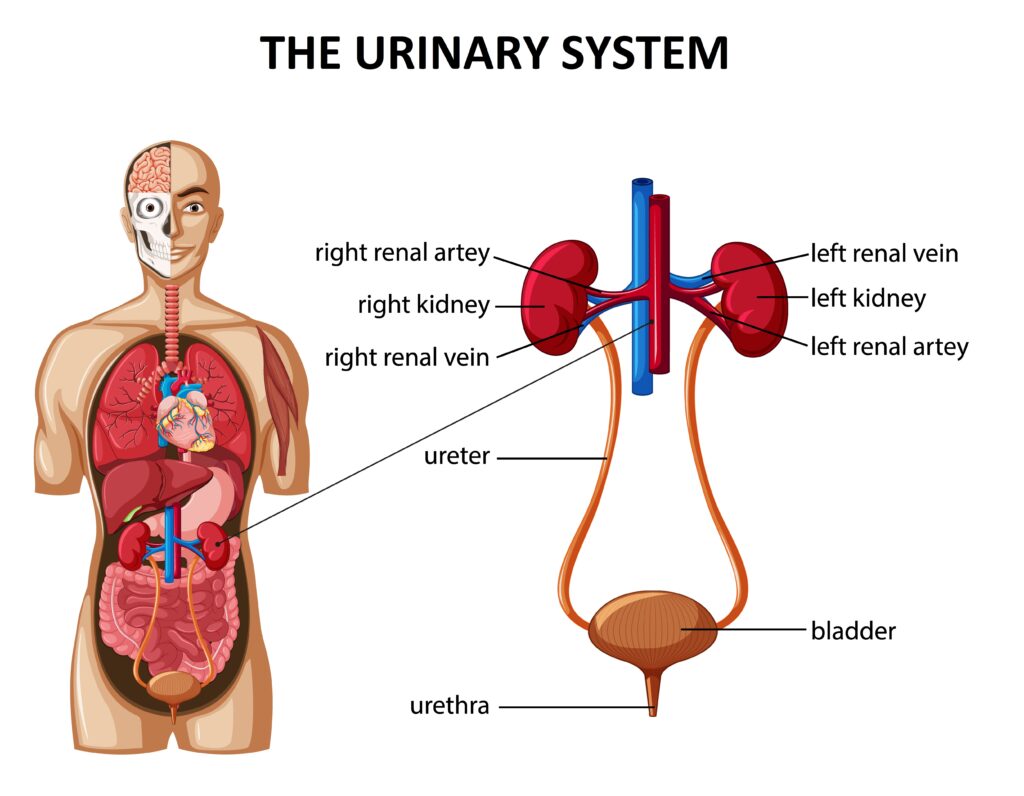
The urinary system is the body’s drainage system. Kidneys filter your blood and make pee, which is made of waste and extra fluid. Pee moves to your bladder (which stores urine) through the ureters and leaves your body through the urethra during urination.
What is a urinary tract infection?
In a healthy person, the urinary tract is sterile, which means there are no bacteria. When bacteria get into your urinary system, a urinary tract infection (UTI) develops. Infection could involve any part of your urinary system, e.g.
- urethra (urethritis)
- kidneys (pyelonephritis)
- bladder (cystitis)
What causes UTIs?
UTI is caused by different microorganisms, generally by bacteria. These bacteria usually live in the gastrointestinal tract. They can get to the genital area and travel up to your bladder and kidneys.
How common is UTI?
UTI is a widespread infection and is more prevalent among women. Approximately 25-40% of women in the United States aged 20-40 years have had a UTI.
Who can have a UTI?
Anyone can get a UTI. Some factors increase the risk of this disease, e.g.
- female sex
- diabetes
- previous history of bladder or kidney infection
- spermicide and diaphragm use for birth control
- frequent sex
- anatomical abnormalities of the urinary system
- for males not being circumcised or having insertive anal sex
- kidney stones or ureteral reflux
- genetic predisposition
What are the signs of a UTI?
The signs and symptoms vary depending on the infection site. The symptoms of a bladder infection are:
- pain or burning sensation during urination (dysuria)
- frequent urge for urination
- urgent need to urinate
- blood in the urine (haematuria)
- pain or discomfort in the lower abdomen
- bad-smelling or cloudy urine
- urinary incontinence (loss of control over your bladder and leakage of pee).
The symptoms of kidney infection include the same symptoms as listed above, plus:
- fever (temperature higher than 99.9°F or 37.7°C)
- flank pain (pain of the lower back)
- nausea and vomiting
- fatigue
- chills
- mental changes and confusion
Children with UTI may also:
- have a high temperature
- appear generally unwell
- wet the bed or wet themselves
- be sick
When to seek medical care?
Make an appointment with your healthcare provider if you or your child have symptoms of UTI. Call 911 if you or your child are confused, drowsy or have difficulty speaking.
How do physicians diagnose UTIs?
The diagnosis is often made based on symptoms and tests. The common tests for UTI diagnosis are:
- Urinalysis – During this analysis you should pee in a special cup. Laboratory technicians check your urine sample for white blood cells, nitrites, etc. The presence of white blood cells in urine suggests infection.
- Urine culture – The urine sample is checked to see whether there is bacteria or not.
Sometimes a provider may order other tests, e.g.
- ultrasound
- computed tomography (CT) scan
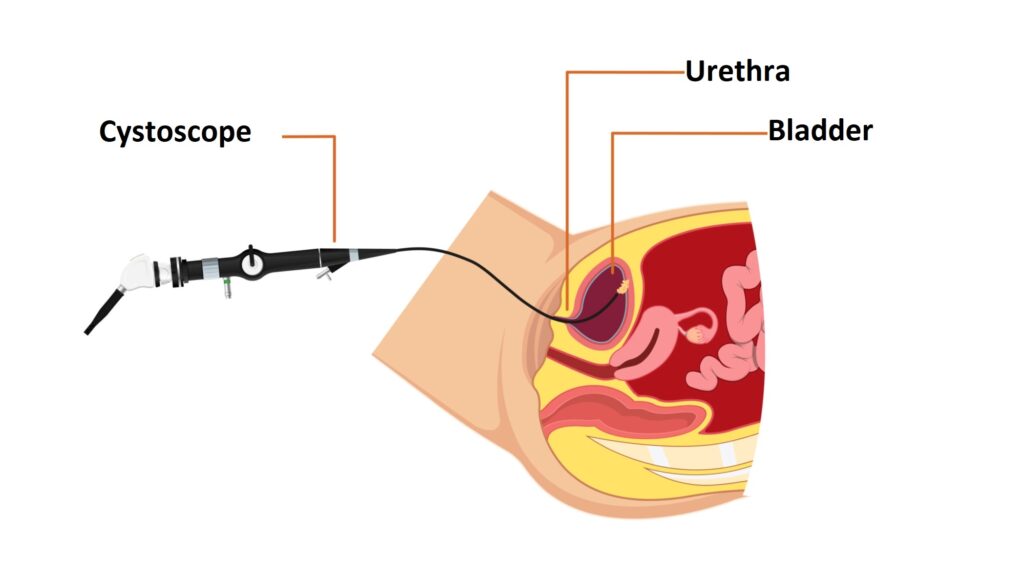
- cystoscopy
How is UTI treated?
UTIs are treated with antibiotics. Antibiotics are medications that kill bacteria. You should strictly follow the directions for taking antibiotics. If you don’t take them properly, your infection can return or become resistant to antibiotics.
Healthcare providers commonly prescribe the following antibiotics to treat UTIs:
- Nitrofurantoin
- Sulfonamides
- Amoxicillin
- Cephalosporins
- Doxycycline
- Fosfomycin
- Quinolones
Depending on which antibiotic your healthcare provider prescribes, you may need a single dose or a course of therapy (up to ten days). Your symptoms may resolve within one day after starting the treatment, but you should take the full course to fully eliminate the infection from your urinary system.
For fever and pain, you can take over-the-counter medications, such as acetaminophen or ibuprofen.
If you have a high fever, severe pain, or cannot keep down food or fluids, you will need to be hospitalised and given intravenous (IV) antibiotics and fluids.
What is a recurrent bladder infection?
A recurrent bladder infection means that you have two or more bladder infections in six months or three or more infections in a year. Females are more likely to get frequent bladder infections due to their anatomy (the urethra is shorter than in males and closer to the anus). If you continue to have recurrent UTIs, you should have further testing, such as a CT scan or cystoscopy (looking inside your bladder with a thin tube called an endoscope).
Can I prevent UTIs?
Yes, you can prevent urinary tract infections. The following lifestyle changes can help prevent UTIs.
- Practice good hygiene.
- Drink more water.
- Change your urinating habits (urinate after sex and urinate more frequently).
- Change your birth control (try another birth control option instead of spermicides and diaphragms).
- Use a water-based lubricant during sex.
- Avoid tight clothes (try loose-fitting clothing and cotton underwear).
- Take over-the-counter products (cranberry juice, cranberry tablets or a supplement called “D-mannose”).
- For postmenopausal women, a healthcare provider may suggest vaginal estrogen.
- Sometimes, preventive antibiotics may be recommended.
Sources:
Urology Care Foundation
UpToDate
CDC
Mayo Clinic
Cleveland Clinic
Medscape